In today’s digital health environment, product teams must validate concepts faster, communicate ideas more clearly, and test functionality earlier in the lifecycle. Google AI Studio Pro has introduced a set of new features that make this possible at a level that was not previously attainable without engineering support. The tool now enables product managers to move directly from ideation to a functional, interactive prototype, shortening the gap between low fidelity concepts and high fidelity experiences.

What’s New in Google AI Studio Pro
Google recently introduced upgrades that streamline the prototype to production workflow. The most useful new features for product managers include:
- Multimodal understanding that allows the prototype to work with images, text, and structured data
- Natural language UI generation creates screens, layouts, and navigation flows based on simple prompts
- Action blocks for logic and interactivity so prototypes behave like real applications
- Built in mock data to simulate real user journeys without manual setup
These improvements make it possible to build rich, functional experiences in hours instead of weeks.
From Low Fidelity Concepts to High Fidelity Experiences in One Step
Product managers traditionally follow a multi stage prototyping path: sketches, clickable wireframes, and eventually functional demos. AI Studio Pro compresses these stages into a single workflow. With natural language prompting, PMs can define screens, interactions, data, and even user states without touching code.
This shift makes it possible to:
- Validate ideas faster with realistic interactions
- Improve stakeholder communication through functional demos
- Reduce reliance on engineering for exploratory work
- Explore more innovative or experimental ideas with lower risk
A Real Example: Building a Food Journal App Prototype in Six Hours
To test the limits of AI Studio Pro, I set out to build a proof-of-concept food journal app.
In just six hours, the prototype included:
1. AI Image Recognition for Food Identification
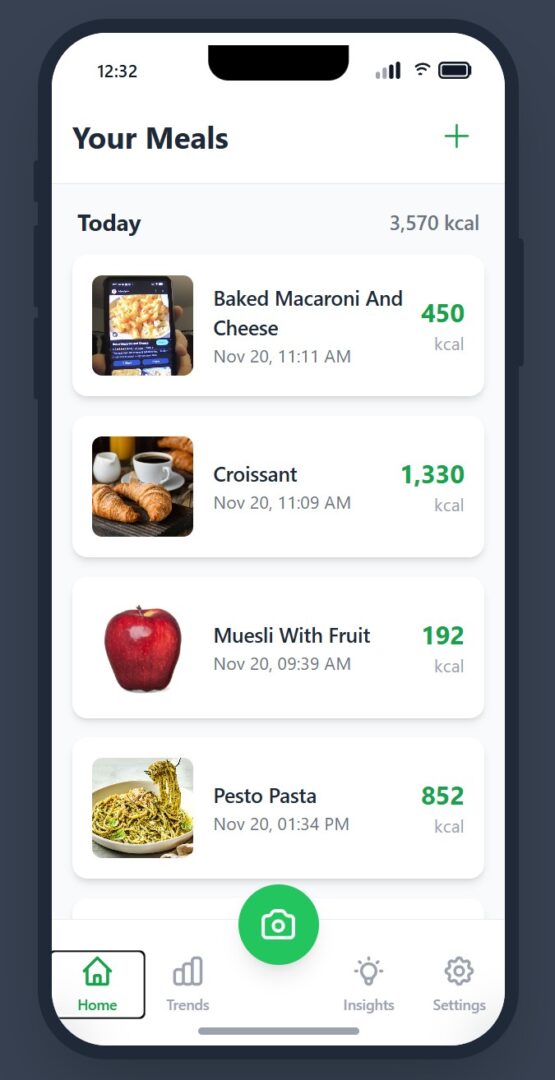
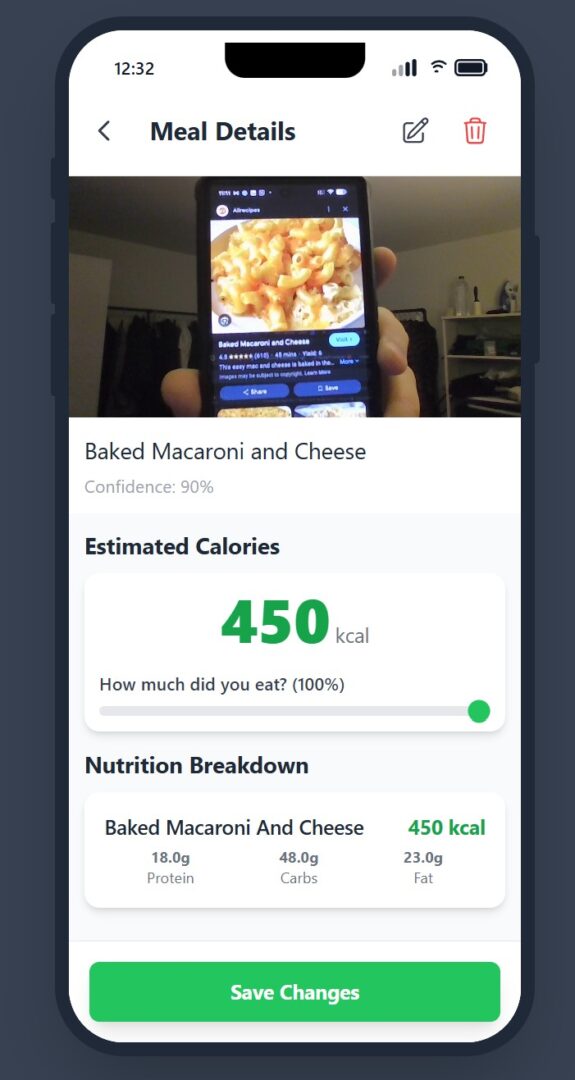
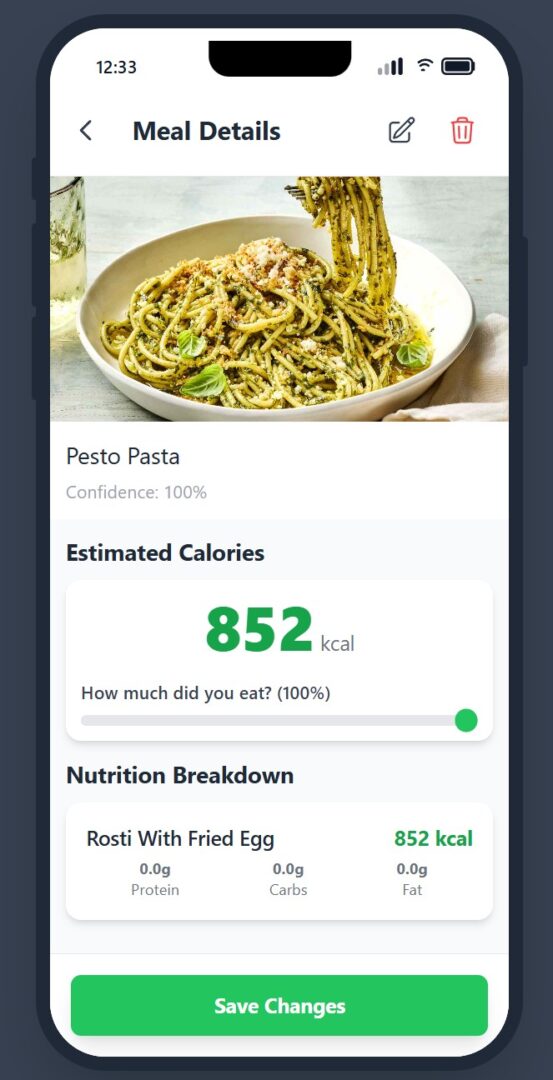
Using multimodal capabilities, the app can analyze photos of meals and identify food items. This feature typically requires vision models, image preprocessing, and integration work, but AI Studio Pro handled it through prompt-based configuration.
2. Calorie Trend View
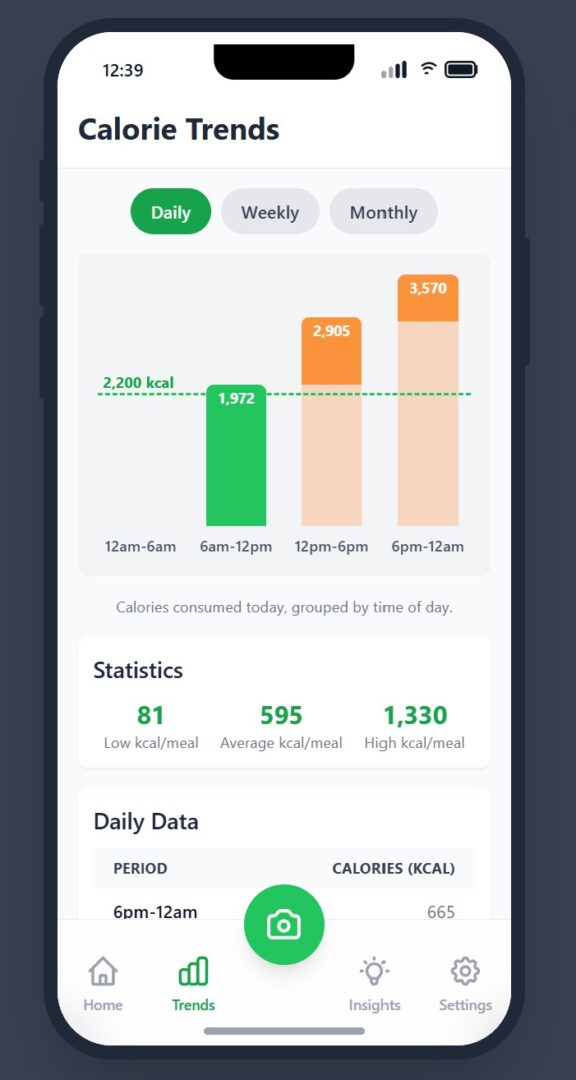
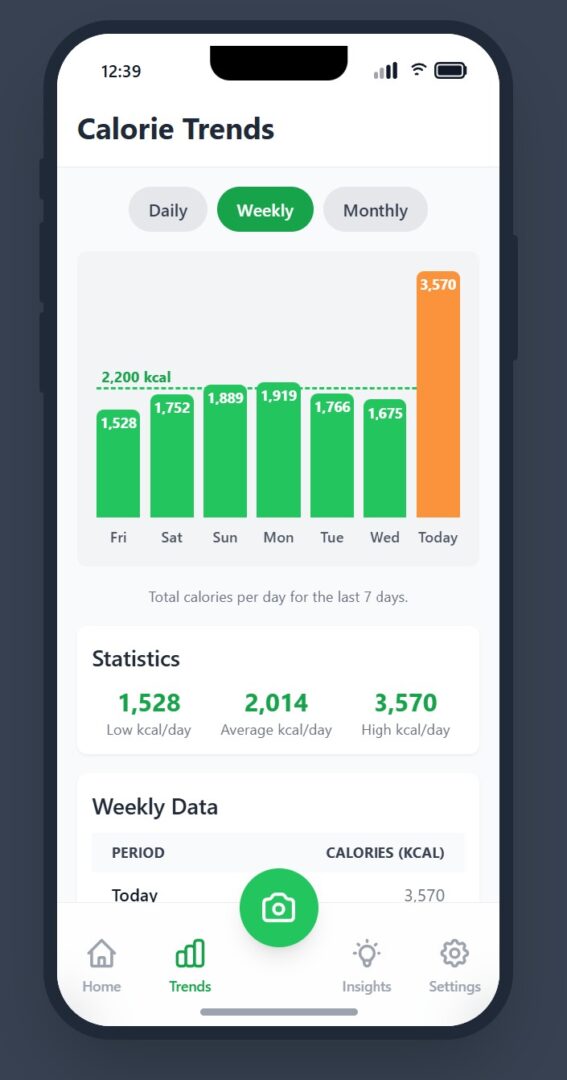
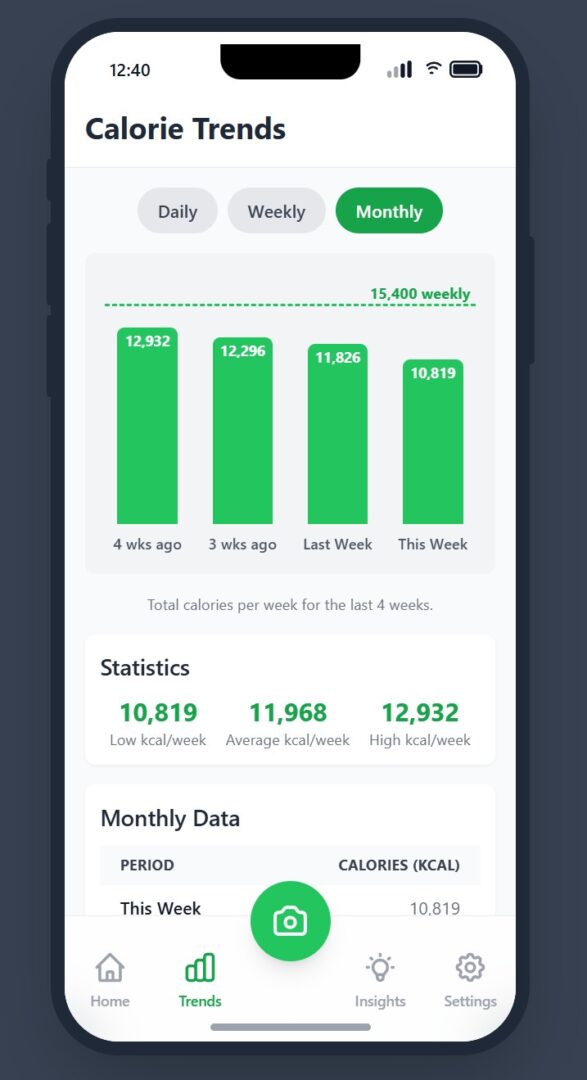
The app generated estimated calorie counts and a trend view with targets and traffic light indicators when calories consumed go over target. While these aren’t intended for clinical accuracy, they serve as a realistic demonstration of functionality, ideal for user testing and early-stage concept validation.
3. Dummy Demo Data for Rapid User Flow Testing
Mock user profiles, sample logs, daily summaries, and trends were generated automatically. This allowed stakeholders to interact with a lifelike system, providing meaningful feedback on usability and feature prioritization.
Furthermore, there I was able to integrate the app with Gemini 3.0 for AI generation of insights based on the data inputted into the app.
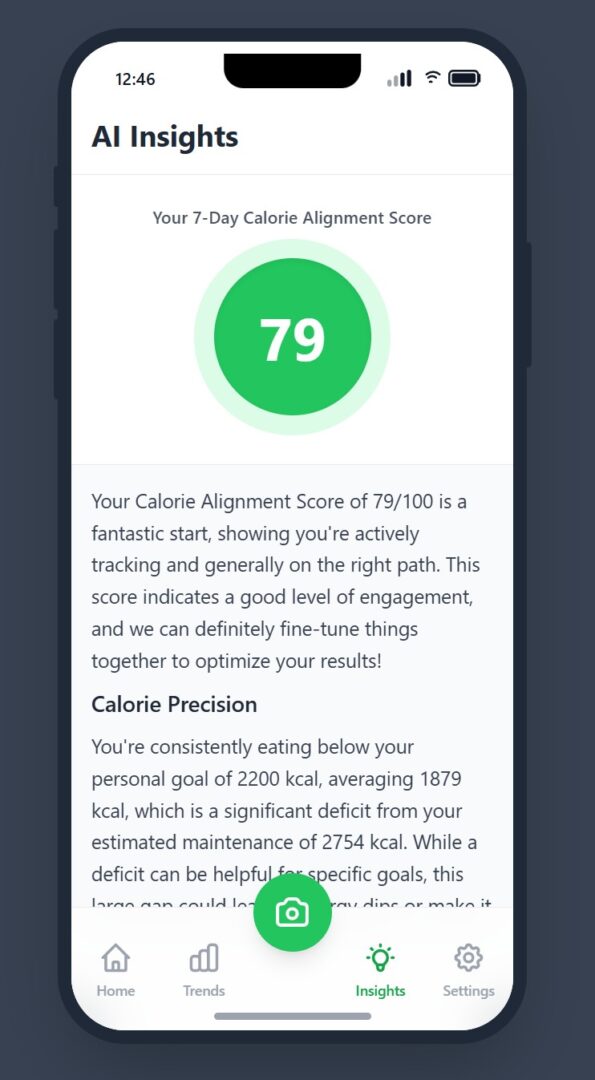
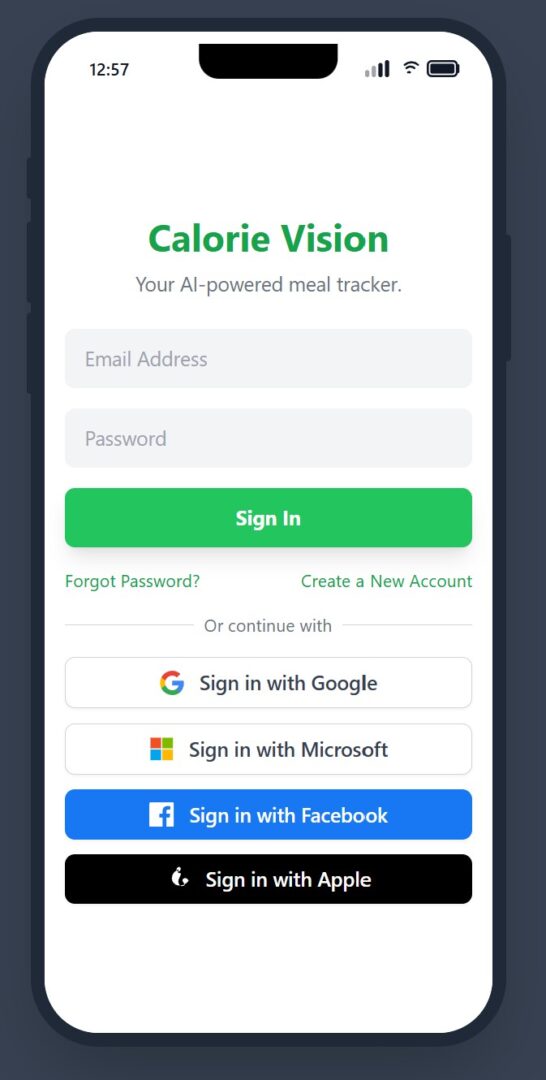
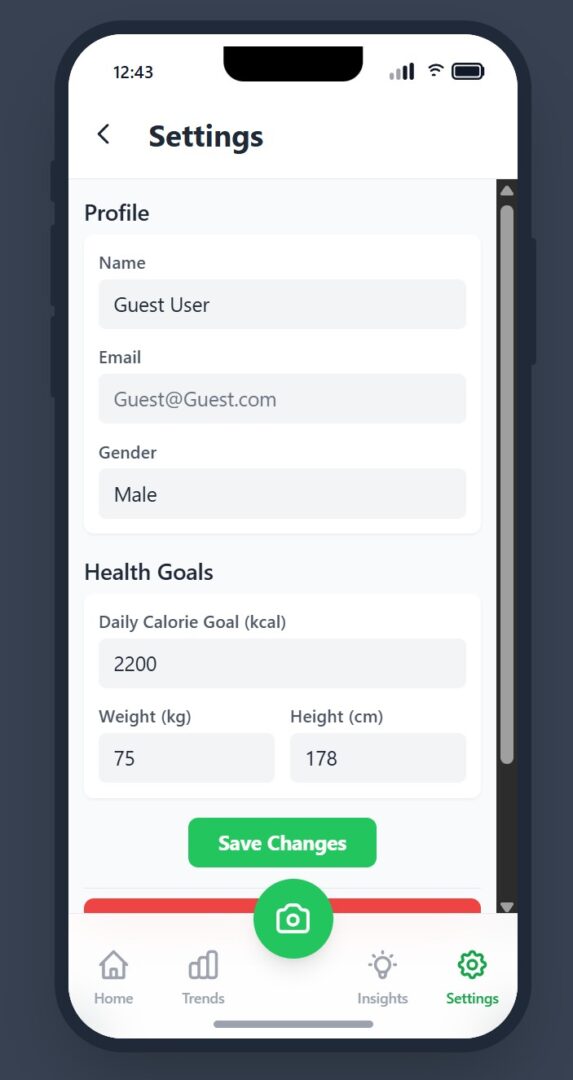
4. A Fully Functional UI
The tool produced interface screens and working navigation, saving days of design iteration and Figma build-out.
Altogether, this prototype would traditionally require cross-functional collaboration among designers, front-end engineers, and data specialists. With AI Studio Pro, a single product manager can produce it independently in a single afternoon.
Why This Matters for Medtech and Digital Health
Healthcare and wellness products benefit significantly from realistic, early stage prototypes. The new capabilities in AI Studio allow teams to:
- Validate clinical workflows sooner
- Communicate ideas more effectively with providers and stakeholders
- Reduce early engineering overhead
- Support evidence gathering and early feasibility assessments
- Accelerate innovation in regulated environments
Final Thoughts
Google’s AI Studio Pro represents a significant shift in how product managers can shape early stage digital health concepts. By merging ideation, design, and functional logic into one workflow, it increases speed, improves clarity, and enables deeper experimentation without technical barriers. For medtech innovators, this is not just a productivity upgrade. It is a new way to explore and validate the future of healthcare technology.